In today’s competitive digital landscape, attracting traffic isn’t enough—converting that traffic into paying customers is what drives sustainable growth. A well-structured sales funnel does more than guide prospects; it optimizes every interaction to reduce drop-offs and boost conversions. From personalized automation to data-driven decision-making, each stage of the funnel plays a critical role in shaping the customer journey. This blog explores practical, proven strategies to refine your funnel, improve efficiency, and turn qualified leads into loyal customers.
Key Takeaways
- A comprehensive sales funnel addresses every stage of the buyer’s journey, from awareness to action, ensuring minimal customer drop-off.
- Techniques such as landing page optimization, A/B testing, and personalized email automation are essential for improving conversion rates.
- Data-driven insights and CRM integration provide a robust framework for monitoring and continuously enhancing funnel performance.
- Emerging trends like mobile optimization and advanced marketing automation tools further refine sales funnel efficiency and customer engagement.
What Are the Key Stages of a Sales Funnel and How Do They Impact Conversion?

Understanding the structure and stages of a sales funnel is essential because it allows businesses to strategically guide prospects through a defined path—beginning from initial awareness, moving through interest and decision stages, and ultimately leading to action. Each stage impacts conversion by addressing specific buyer concerns and meeting customers’ expectations at that moment. A well-defined sales funnel fosters a smoother customer journey and minimizes friction, which can ultimately reduce bounce rates and increase overall customer lifetime value.
What Is a Sales Funnel and Why Is It Essential for Business Growth?
A sales funnel is a strategic framework representing the customer journey from first contact to final purchase. It helps businesses segment prospects into measurable stages—awareness, interest, decision, and action. Each stage targets specific needs, ensuring that no lead is left unattended. A well-structured funnel lowers marketing costs by delivering tailored messaging to the right audience. It also enables better performance tracking, allowing businesses to identify weak points and improve tactics. This structure increases acquisition, boosts retention, and supports predictable growth. Effective funnels simplify lead nurturing and improve marketing efficiency across teams. Ultimately, they create a repeatable path to profitable customer relationships.
How Do the Awareness, Interest, Decision, and Action Stages Influence Conversion Rates?
The awareness stage draws in potential customers through attention-grabbing content and a strong value proposition. The interest stage builds trust by educating prospects and showcasing solutions to their problems. In the decision stage, clear offers and persuasive CTAs help users evaluate and commit. The action stage finalizes the process with easy checkout and supportive service. Each phase requires focused messaging and design to prevent user drop-off. When optimized, the stages work in unison to maintain momentum through the journey. Seamless transitions between stages improve user experience and boost results. Regular testing ensures the funnel stays aligned with behavior patterns.
How Can Understanding Sales Funnel Stages Improve Profitability?
Recognizing each funnel stage allows businesses to address pain points and improve engagement. Tailoring content and communication per stage increases relevance and effectiveness. Technical tools provide insights into behavior, enabling smart adjustments. Optimizing touchpoints minimizes wasted spend and boosts revenue per lead. High-quality content expands the audience early, while automation nurtures mid-funnel interest. Timely interventions reduce friction and abandonment in later stages. Streamlining this journey boosts conversion and strengthens loyalty. A stage-based approach ensures more customers complete the journey, improving profitability.
Which Sales Funnel Optimization Techniques Drive the Highest Conversion Rates?

High-converting funnels reduce friction and guide prospects with clear messaging and targeted steps. Optimization involves refining every touchpoint to match user intent and behavior. Techniques like personalized email sequences, smart segmentation, and behavior-based triggers help deepen engagement. Streamlined layouts and mobile-responsive designs enhance the user experience. Clear CTAs and consistent value delivery improve decision-making. Automated workflows ensure timely follow-ups without manual gaps. A/B testing supports ongoing improvement with data-backed changes. Together, these elements improve journey efficiency and lead to higher conversions.
How Does Landing Page Optimization Increase Sales Funnel Conversions?
Landing pages must instantly capture attention and drive action through compelling content. Strong headlines, trust-building visuals, and benefit-focused copy are critical. Pages should include intuitive layouts, minimal form fields, and persuasive CTAs. Fast load speeds and mobile responsiveness prevent bounce-offs. A/B testing helps uncover what combinations drive the best results. Streamlined navigation ensures users stay focused on the conversion goal. Eliminating distractions and aligning content with ad sources increases engagement. A well-optimized page builds confidence and nudges visitors to the next funnel stage.
What Are Effective Lead Magnet Strategies to Capture and Nurture Leads?
Lead magnets offer immediate value in exchange for contact information, kickstarting lead nurturing. Popular types include guides, checklists, free tools, or access to exclusive content. Each magnet must solve a specific problem aligned with the buyer’s interests. Pairing it with follow-up sequences maintains engagement and builds trust. Personalization based on behavior improves magnet relevance and completion rates. Positioning and design should make signup easy and attractive. Testing different formats reveals which ones resonate most with your audience. When combined with automation, lead magnets become powerful funnel entry points.
How Can A/B Testing Improve Sales Funnel Performance?
A/B testing compares different versions of key funnel elements to identify what works best. Headlines, CTAs, layouts, and messaging can all impact user behavior. Small changes often lead to meaningful gains in engagement and conversions. Testing helps locate weak points and guide data-informed adjustments. Each experiment provides insight into audience preferences and habits. Testing must be focused, consistent, and measured using relevant metrics. Results should drive ongoing refinements across funnel touchpoints. This continuous improvement process strengthens every stage and boosts conversion outcomes.
What Role Does Personalization Play in Conversion Rate Improvement?
Personalization tailors content, offers, and messaging to individual user needs, increasing relevance. Customized emails and dynamic website elements engage users more effectively than generic content. Behavioral data helps deliver timely interactions aligned with funnel position. Personalized sequences reduce friction and foster a stronger connection with prospects. Visitors are more likely to act when content speaks to their goals or challenges. Tailoring CTAs and product suggestions improves both click-through and conversion rates. This strategy enhances user satisfaction and builds long-term trust. Consistent personalization across channels reinforces messaging and drives higher performance.
How Can Data and Analytics Be Used to Track and Improve Sales Funnel Metrics?
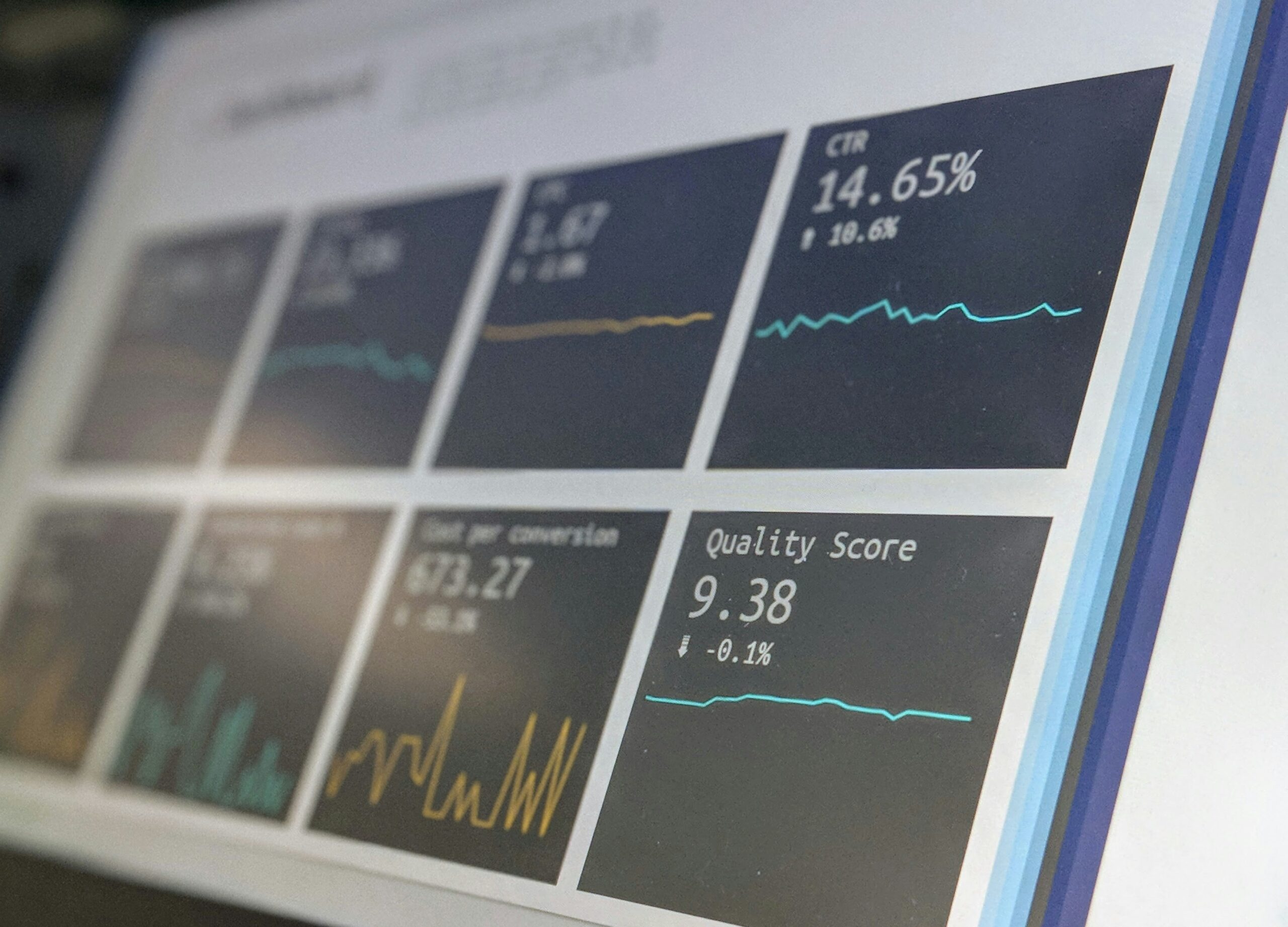
Analytics uncover how users move through the funnel, showing where they engage or drop off. Metrics like bounce rate, session duration, and click-through rates help identify performance gaps. Visual tools like heatmaps and funnel charts reveal behavior patterns on key pages. These insights guide improvements to layout, copy, and timing of messages. Data supports faster decisions and real-time adjustments to campaigns. Funnel metrics can be tracked alongside automation workflows for deeper clarity. Aligning data with funnel stages allows targeted optimization at each touchpoint. This leads to a more efficient, profitable funnel over time.
What Are the Most Important Sales Funnel Metrics to Monitor?
Key metrics include conversion rate by stage, bounce rate, and time spent per step. Tracking lead qualification and drop-off rates helps prioritize improvements. Customer acquisition cost and return on ad spend reflect overall efficiency. Monitoring CTA click rates and form completions reveals friction points. Segmented data gives insight into which audiences respond best to campaigns. Email open and reply rates reflect how well nurturing efforts perform. Funnel velocity shows how quickly leads progress through stages. Together, these metrics guide strategy and ongoing funnel refinement.
How Do You Analyze Sales Funnel Data to Identify Conversion Bottlenecks?
Start by comparing conversion percentages between funnel stages to find steep drop-offs. Review session recordings and heatmaps to see where users hesitate or exit. Analyze form abandonment, scroll depth, and CTA interaction data for patterns. Cross-reference drop-off points with traffic source and device type. Track user paths to understand whether navigation or content creates confusion. Identify stages with long dwell times but low next-step actions. Use segmentation to isolate issues by demographic or behavior. Once identified, apply targeted fixes to remove friction and improve flow.
How Can Conversion Rate Benchmarks Guide Optimization Efforts?
Benchmarks provide a reference point for evaluating funnel performance across stages. Comparing your rates to industry averages highlights where improvements are needed. Internal benchmarks track progress over time after implementing changes. They help set realistic goals and prioritize testing efforts effectively. Monitoring gaps helps focus optimization on the most impactful areas. Benchmarking also supports resource allocation and campaign planning. It ensures conversion targets are data-driven rather than arbitrary. Consistently using benchmarks keeps the funnel aligned with evolving standards.
How Can Automation Strategies Enhance Sales Funnel Efficiency and Profits?

Automation reduces manual tasks like follow-ups, segmentation, and lead scoring. It ensures timely communication tailored to where prospects are in the funnel. Drip sequences, triggers, and conditional logic improve nurturing precision. Automation tools maintain consistency and scale without added effort. They help track user actions and deliver relevant responses instantly. This improves speed, accuracy, and personalization at every step. Time saved allows teams to focus on strategy rather than execution. Ultimately, automation drives more conversions with fewer resources.
How Does Email Marketing Automation Support Lead Nurturing and Conversion?
Email automation keeps prospects engaged through behavior-driven, scheduled messaging. Sequences can introduce products, address objections, and deliver offers over time. Each email reflects the recipient’s funnel stage and interests. This ongoing contact builds trust and moves leads toward action. Segmentation improves results by targeting specific needs or traits. Automation reduces delays and prevents missed opportunities to follow up. It also allows performance tracking to improve message timing and tone. Together, these features support a seamless lead nurturing process.
What Are the Benefits of CRM Integration for Sales Funnel Management?
CRM integration centralizes lead data and tracks engagement across channels. It gives teams visibility into every interaction from awareness to conversion. Automation rules can trigger follow-ups based on user activity. Segmentation tools support tailored content and outreach by stage. Funnel analytics within the CRM highlight where users drop off or convert. This improves coordination between marketing and sales functions. Integration also reduces data duplication and improves lead response times. A connected CRM ensures the funnel runs efficiently and stays data-driven.
How Can Automated Workflows Streamline the Sales Process?
Automated workflows route leads through consistent, pre-set paths based on behavior. They eliminate manual steps like sending reminders or updating lead status. Triggers activate relevant emails, SMS, or tasks at just the right time. This responsiveness keeps leads engaged and shortens the sales cycle. Workflows ensure no touchpoint is missed as prospects progress. They allow for smart branching, adapting based on user choices. Built-in reporting helps optimize each step for better results. In the long run, automation drives higher productivity and better conversions.
Frequently Asked Questions
What defines a successful sales funnel conversion strategy?
A successful strategy guides prospects from awareness to purchase with minimal friction. It uses personalization, data analytics, and automation to engage leads and drive conversions. Tools like Nurture Machine enhance this by offering behavioral targeting, segmentation, and AI-powered workflows to optimize each stage of the funnel.
How can businesses begin to implement sales funnel optimization techniques?
Start by mapping the customer journey and identifying drop-off points using analytics and CRM data. Then apply tactics like A/B testing, landing page improvements, and email personalization. Nurture Machine supports these efforts with integrated automation, segmentation, and performance tracking tools.
Why is personalization crucial for sales funnel conversion optimization?
Personalization plays a critical role because it tailors messaging and offers to meet the individual needs of each prospect. By using customer data from CRM and segmentation tools, businesses can craft personalized email sequences, dynamic landing pages, and tailored content that resonate with target audiences. This approach not only improves engagement and trust but also enhances the overall user experience, leading to higher conversion rates and customer retention.
What are some common mistakes in managing a sales funnel?
Mistakes include skipping A/B testing, using generic messaging, and failing to unify data. Poor mobile design and complicated checkouts also hurt conversions. Nurture Machine helps address these issues through smart automation, CRM integration, and funnel analytics.
How do emerging technologies impact sales funnel optimization?
Emerging technologies such as artificial intelligence, machine learning, and advanced marketing automation tools are revolutionizing sales funnel optimization. These technologies enable real-time personalization, predictive analytics, and automated workflows that adapt based on customer behavior.
Conclusion
In conclusion, optimizing a sales funnel requires a comprehensive strategy that addresses every stage of the customer journey—from initial awareness to final action. By leveraging advanced tools, personalization techniques, and consistent data analysis, businesses can achieve significant improvements in conversion rates and overall profitability. The integration of CRM systems, automated workflows, and mobile optimization further enhances the efficiency of the funnel, ensuring a seamless customer experience. For companies ready to scale sustainably and build long-term brand loyalty, continuous funnel optimization is the key to unlocking maximum profits.