Today’s marketing success relies on understanding how customers move from discovery to decision. Customer journey tracking reveals every interaction—from ad clicks to cart views—helping marketers build smarter, faster funnels. With platforms like Nurture Machine, businesses can automate this tracking, trigger real-time campaigns, and pinpoint drop-off points before they affect revenue. This guide breaks down how journey tracking and segmentation lead to higher conversions. You’ll also learn how automation simplifies retargeting, improves attribution, and powers scalable personalization. It’s not just about watching behavior—it’s about using it to convert better.
Key Takeaways
- Journey tracking reveals how customers interact across platforms, helping marketers reduce friction and improve conversion rates.
- Nurture Machine automates behavior-based workflows, delivering timely messages and personalized offers at scale.
- Behavioral segmentation tailors experiences by grouping users based on actions, not assumptions.
- Funnel analysis helps pinpoint where leads drop off and triggers interventions to re-engage them instantly.
- Omnichannel tracking creates unified customer timelines, boosting attribution accuracy and retargeting performance.
What Is Customer Journey Tracking and Why Does It Matter for Conversions?

Customer journey tracking helps businesses monitor every touchpoint a lead interacts with, from the first ad impression to final conversion. It’s the foundation of data-driven optimization—capturing how users engage across digital channels and identifying what nudges them forward. By using automated tools to record behavior, businesses can understand when to engage, what content to serve, and how to refine campaigns. The process also reveals where users lose interest, allowing for strategic adjustments. For brands using automation, journey tracking turns insights into action, boosting conversions through precision.
Use Journey Tracking to Uncover Drop-Off Patterns
Mapping user behavior shows where leads disengage before converting. Automation systems like Nurture Machine highlight high-exit points and flag them for optimization. Once identified, marketing teams can revise content, shorten workflows, or enhance CTAs. These adjustments reduce friction across the funnel. Continuous journey tracking also compares performance over time, so trends can be addressed early. This improves the overall lead experience and raises conversion rates. Real-time data eliminates guesswork and makes proactive campaign improvements possible.
Pinpoint Key Decision Moments in the Funnel
Not all interactions are equal. Some touchpoints hold more weight in the decision-making process. With journey tracking, marketers can isolate moments—like pricing views or product exploration—that signal high intent. From there, automation can deliver personalized content or schedule outreach. Recognizing these milestones helps shorten the time between awareness and purchase. When data shows what works, teams can refine every message, offer, and asset in the funnel. This keeps prospects moving without interruption.
Automate Reactions to Journey Milestones
Once a user reaches a defined journey stage—such as account creation or lead magnet download—Nurture Machine can trigger automated sequences. This might include onboarding emails, product recommendations, or follow-up surveys. These real-time interactions maintain engagement and move leads forward without manual input. Triggers are customizable, so teams can adapt them to each funnel. The result is a responsive lead experience tailored to user behavior. With this strategy, conversion flows become more efficient and scalable.
How Does Customer Journey Tracking Map User Interactions Across Channels?

Journey tracking maps how users engage across websites, mobile apps, email, SMS, and more—tying these events into a single, unified timeline. This cross-channel view makes it possible to understand the true customer experience, rather than seeing each channel in isolation. With centralized tracking and automation tools, marketers can see exactly how someone moves from discovery to conversion. Data from each interaction contributes to segmentation and scoring. The more holistic the map, the better the insights for conversion optimization.
Consolidate Multi-Channel Touchpoints Into One View
With Nurture Machine, interactions from all channels—email clicks, landing page visits, SMS opens—are pulled into a single user profile. This gives marketers full visibility into each customer’s journey. Centralized views make it easier to analyze sequences, identify gaps, and trigger relevant responses. Rather than treating campaigns separately, businesses can build omnichannel flows. This ensures consistency in messaging and timing across every user interaction. Better visibility leads to smarter optimization decisions.
Recognize Cross-Channel Behavior Trends
By analyzing behavior across channels, patterns start to emerge—such as users who view a product after receiving an SMS or click on an email after seeing a social ad. These insights help marketers adjust campaign pacing and message sequencing. Understanding channel interplay leads to more coordinated strategy execution. It also reveals which combinations of touchpoints generate the highest engagement. When behaviors are mapped in real time, marketers can guide prospects down the most effective conversion paths.
Align Automation Triggers With User Movement
Each movement within the journey can launch a tailored automation. For example, clicking an ad may initiate a nurture email series, while multiple product page visits may trigger a sales alert. These triggers are configured based on the journey map, ensuring timing and content match the lead’s intent. Personalized workflows replace generic campaigns and deliver better results. Mapping the full journey allows marketers to deliver precise messages exactly when they matter most. This elevates engagement and conversion opportunities.
What Are the Key Benefits of Tracking Customer Behavior for Conversion Rates?

Tracking customer behavior delivers critical insight into how users navigate your marketing funnel and what actions lead to conversion. With the right tools, marketers can detect friction points, optimize timing, and tailor messages based on real activity—not assumptions. Nurture Machine’s automation capabilities turn behavior into strategy by activating workflows and scoring leads in real time. This approach ensures your campaigns are relevant, responsive, and aligned with user intent. Behavioral data also supports smarter segmentation, making every outreach more targeted and impactful.
Identify What Moves or Stalls Conversion Progress
Analyzing behavior reveals the specific steps users take—or avoid—before converting. High exit rates on a page may signal confusing layout, while strong engagement on educational content may indicate readiness to buy. These insights guide teams in refining landing pages, forms, and messaging. When tracked consistently, behavior data shows which funnel paths need improvement. This leads to smarter design decisions and better conversion flows. Every tweak is based on real user movement—not guesswork.
Segment Leads Based on Engagement Signals
Using behavior data, Nurture Machine can group leads into segments based on interest and activity. This allows for targeted communication—like sending detailed offers to high-engagement leads or retargeting low-engagement users with reminders. Segmentation ensures the right message reaches the right audience, increasing the odds of conversion. These dynamic groups adjust in real time as behavior shifts. This flexibility improves campaign accuracy and maximizes relevance across every touchpoint.
Optimize Campaign Timing and Frequency
Behavioral insights help determine when users are most likely to engage. For example, if a lead tends to open emails in the evening or browse products midweek, automation can schedule follow-ups to match. Timing optimization reduces fatigue and increases responsiveness. It also helps balance campaign pacing across audiences with different preferences. With Nurture Machine’s automation, these schedules update automatically based on recent activity. This ensures outreach is well-timed and never overwhelming.
How Does Omnichannel Tracking Provide a Holistic View of Customer Paths?

Omnichannel tracking ties together all customer interactions across platforms—web, mobile, email, chat, and more—into a single journey timeline. This unified view allows businesses to understand how users interact with different campaigns and which combinations lead to conversion. Instead of isolated campaign performance, marketers gain insight into the full experience. With Nurture Machine, each touchpoint is logged and analyzed, providing a complete picture of what drives action. This holistic understanding leads to more cohesive strategies and higher engagement.
Track Consistency Across Platforms
Omnichannel tracking ensures that each user’s experience remains consistent regardless of the platform. If a lead views a product on mobile, receives a related SMS, then later clicks an email, all of these actions are unified in one timeline. This consistency helps eliminate gaps or duplicate messages. Coordinated follow-up improves brand trust and response rates. With Nurture Machine, businesses manage all touchpoints in one system for smoother, more strategic execution.
Improve Attribution Accuracy Across Channels
Knowing which channel truly influenced a conversion is key for resource allocation. Omnichannel tracking provides deeper attribution by identifying which sequence of interactions led to a sale. Was it the initial email, a mid-funnel SMS, or a final landing page? These insights inform budget decisions and future content planning. Accurate attribution prevents overspending on low-performing channels and reveals where to double down. With clear visibility, marketers invest smarter.
Enable Seamless Retargeting and Nurturing
When all channels are tracked together, retargeting becomes smarter and more personalized. A user who clicks a social ad can receive a relevant email, then see a tailored web banner the next day. Omnichannel logic keeps messaging synchronized. Nurture Machine uses this data to keep leads engaged across platforms without repetition. This increases relevance and makes nurturing more effective. The result is higher conversion rates with fewer wasted touches.
How Can Behavioral Segmentation Improve Conversion Optimization?

Behavioral segmentation allows marketers to group users based on how they interact with content, products, and campaigns—rather than relying on static demographics. This real-time insight makes it possible to customize messaging, workflows, and offers with greater precision. With Nurture Machine, behavioral segments update dynamically as user activity changes, ensuring campaigns stay relevant. The result is higher engagement, stronger alignment with user intent, and improved conversion efficiency across the funnel.
Segment Based on Funnel Position and Engagement
Using automation, Nurture Machine tracks user behavior like page views, email clicks, and form submissions to segment leads by funnel stage. Top-of-funnel users may receive nurturing content, while high-intent leads are shown limited-time offers. This ensures that campaigns stay context-aware and timely. As behavior evolves, so does the user’s segment, keeping communication aligned. These fluid segments help reduce drop-offs and increase the speed of conversion through tailored messaging.
Trigger Automated Flows by Segment Behavior
Once leads fall into specific behavioral segments, automated workflows can launch based on that classification. For example, users who abandon a form might receive a reminder email, while those who explore product pages are shown deeper feature content. These flows help guide users with relevant content while reducing the need for manual monitoring. By aligning automation with behavioral signals, campaigns become more strategic and effective in driving action.
Create Personalization Rules for Each Segment
Behavioral segmentation also fuels real-time personalization. Nurture Machine allows marketers to set rules—such as swapping images, changing headlines, or adjusting CTAs—based on the user’s behavior. Someone who has already downloaded a guide sees a different homepage offer than someone new. This targeted approach helps eliminate redundancy, keeps content fresh, and supports faster decision-making. Personalization within each segment leads to better outcomes and stronger user experiences.
How Does Funnel Analysis Identify Drop-Off Points to Boost Conversions?
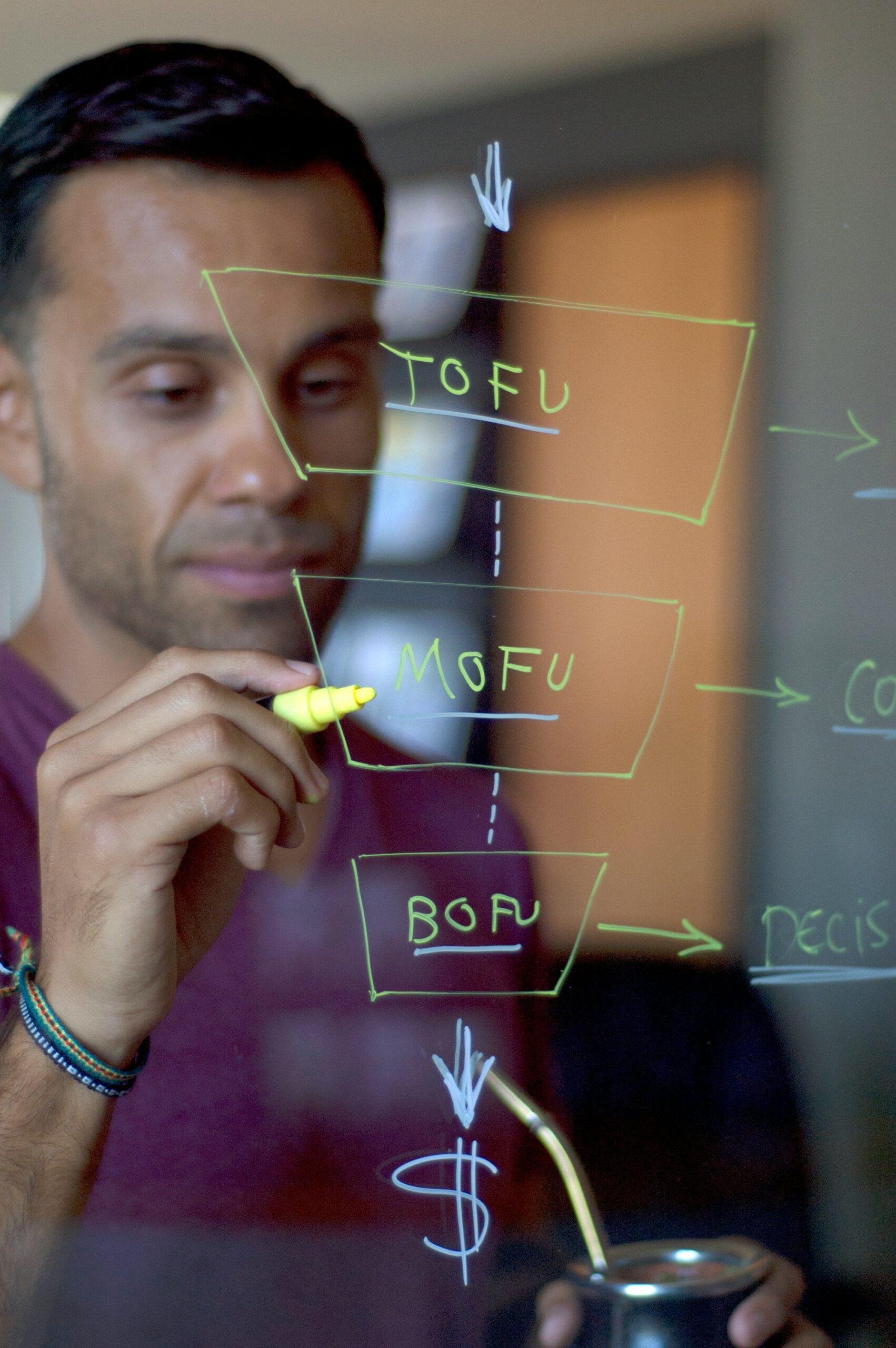
Funnel analysis visualizes how leads move from initial interest to final conversion, highlighting where users drop off along the way. It shows which stages of the journey perform well and which need improvement. With Nurture Machine’s integrated tracking, businesses can monitor funnel performance in real time, identifying friction before it becomes costly. This proactive insight makes it easier to optimize forms, messaging, and layouts. Funnel analysis ensures every stage is engineered to retain and convert leads effectively.
Monitor Conversion Rates Between Funnel Steps
Tracking how many users move from one stage to the next reveals conversion bottlenecks. A high bounce rate between the product view and form submission may indicate unclear value or confusing UX. Nurture Machine flags these drop-offs instantly so changes can be made fast. With this visibility, marketers can test variations to boost completion rates and maintain flow. Funnel performance is continuously measured, supporting ongoing improvements.
Use Heatmaps and Behavior Data to Diagnose Issues
Beyond basic funnel metrics, behavioral tools show where users pause, scroll, or click away. Heatmaps and session tracking uncover if CTAs are buried or if distractions pull attention away. These insights clarify why a user dropped out—not just where. Nurture Machine aggregates this behavioral data with funnel analytics, providing a more complete story. With clear diagnostics, marketers can prioritize changes that deliver real results.
Launch Automated Interventions Based on Drop-Off
If a lead exits the funnel prematurely, Nurture Machine can trigger recovery workflows. This might include personalized emails, reminder notifications, or alternate offers. These real-time responses reduce abandonment and re-engage potential customers quickly. Triggers are fully customizable by funnel stage and segment. Over time, this automation minimizes lost leads and boosts overall pipeline efficiency without increasing team workload.
Frequently Asked Questions
What is customer journey tracking and why is it important for conversions?
It tracks how users interact across touchpoints to identify friction, understand behavior, and improve conversions. This helps marketers optimize the path from awareness to purchase.
How can automation improve customer journey tracking?
Automation collects behavior data and triggers real-time responses, allowing for timely, personalized engagement that moves leads through the funnel efficiently.
What types of behavior are useful for segmenting leads effectively?
Actions like repeat visits, product views, form fills, and email clicks help segment leads by interest. This enables more targeted and relevant communication.
How does funnel analysis help identify and fix conversion issues?
It shows where users drop off, helping marketers pinpoint problems and test improvements like simpler layouts or better CTAs to increase completion rates.
Conclusion
Customer journey tracking transforms how businesses engage, convert, and retain leads. By using Nurture Machine to centralize interactions and trigger real-time actions, marketers gain control over every stage of the funnel. Automated segmentation, funnel diagnostics, and omnichannel insights work together to eliminate guesswork and maximize ROI. This data-driven approach ensures personalization is scalable and performance is measurable. Whether you’re nurturing new leads or recovering lost ones, journey data provides the clarity and tools to do it better. In a world of fragmented attention, precision is power—and journey tracking delivers it.